Vaginal vs. C-Section Delivery: Indications, Twin Realities, Intimacy, Diet, and Yoga Recovery
Compare vaginal birth and cesarean delivery. Discover their clinical indications, C-section twin guidelines, recovery differences, timelines for intimacy, post-birth healing diet, and recovery yoga.
Two Pathways to Motherhood
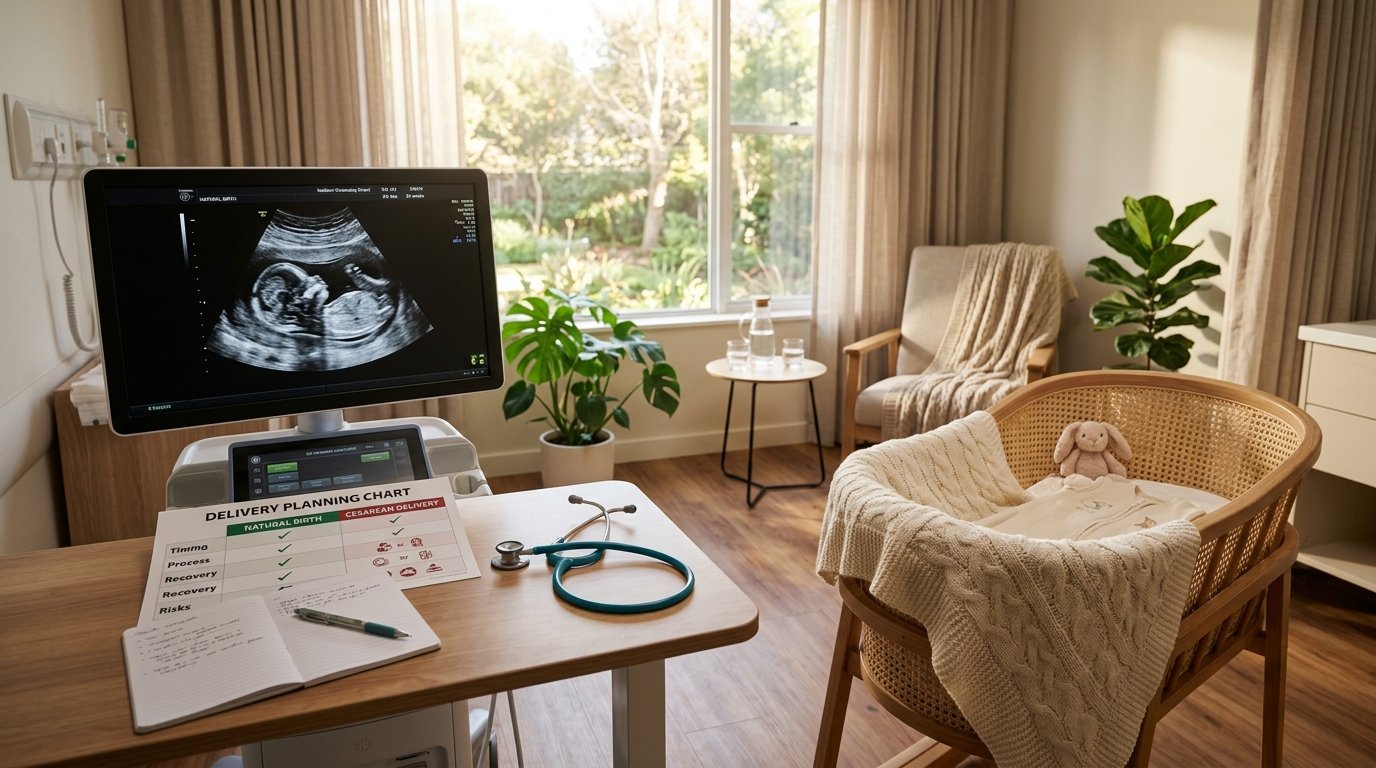
How a baby is delivered is one of the most personal and clinical choices during pregnancy. While some births follow a planned path, others adapt dynamically to unexpected labor conditions. Both vaginal and cesarean (C-section) deliveries are effective options designed to ensure the safety of mother and baby.
However, because C-section is a major abdominal surgery and vaginal birth is a physiological pelvic event, their recovery timelines, postpartum dietary requirements, intimacy guidelines, and safe yoga exercise paths differ significantly.
\"Understanding what your body experiences during each mode of delivery is the first step in directing your energy toward post-birth recovery and emotional balance.\"
Guide Navigation & Clinical Chapters
1. Vaginal vs. C-Section: When Is Each Done?
The choice of delivery mode is determined by maternal anatomy, baby positioning, and active labor safety:
Vaginal Delivery (Natural Birth)
Vaginal birth is the biological default. It occurs when a low-risk pregnancy goes into spontaneous labor, and the baby descends through the cervix and vagina.
When It is Recommended:
- Vertex Presentation: The baby's head is positioned down toward the cervix.
- Healthy Fetal Heart Rate: The baby shows no signs of distress during contractions.
- Normal Progress: The cervix dilates smoothly and contractions remain strong.
C-Section Delivery (Surgical Birth)
A C-section is a surgical procedure where incisions are made in the abdomen and uterus to retrieve the baby.
When It is Required:
- Placenta Previa: The placenta covers the cervix, making vaginal passage impossible.
- Breech or Transverse Lay: The baby is positioned feet-first, butt-first, or sideways.
- Maternal Infections: Active pelvic herpes lesions, which could infect the baby during vaginal birth.
- Cephalopelvic Disproportion (CPD): The baby's head is too large to fit through the pelvis.
2. Twin Babies: Do Twins Always Need a C-Section?
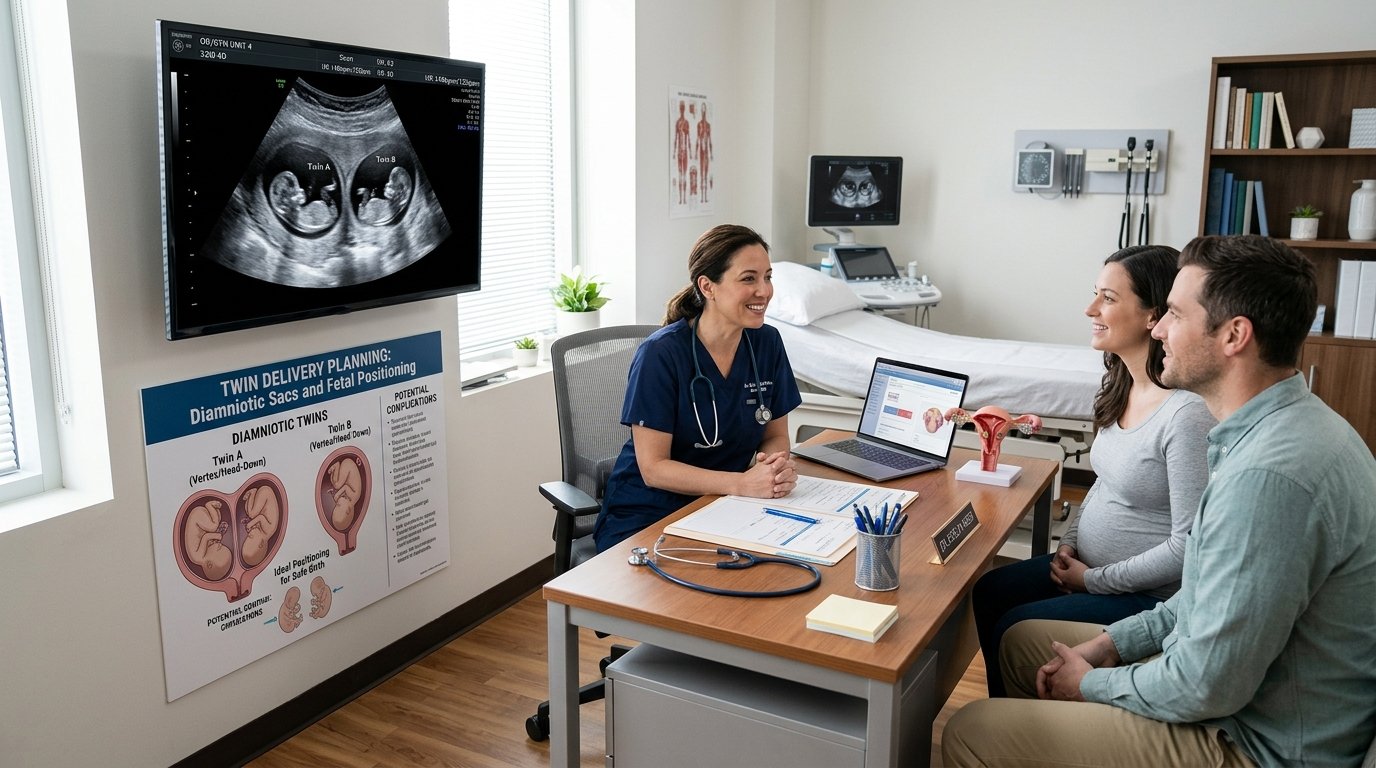
A common misconception is that carrying twins automatically dictates a surgical birth. According to ACOG guidelines, carrying twins is not a standalone reason for a C-section.
Vaginal birth is safe and recommended for twins under the following conditions:
- Chorionicity Check: The twins must be in separate amniotic sacs (diamniotic). If they share a single amniotic sac (monoamniotic twins), a C-section is medically necessary to prevent life-threatening umbilical cord entanglement.
- Twin A Position: The twin positioned lowest in the pelvis (Twin A) must be vertex (head-down). If Twin A is breech, a C-section is required. If Twin A is head-down, Twin B can often be delivered vaginally, even if Twin B is breech, provided the obstetrician is experienced in breech extraction.
- Gestational Age: The pregnancy has reached at least 32 weeks, and the babies show appropriate growth weights.
3. Recovery & Body Effects After Both Deliveries
The physical impact on your postpartum body differs depending on how you gave birth:
| Post-Birth Area | Vaginal Recovery Effects | C-Section Recovery Effects |
|---|---|---|
| Physical Mobility | Fast. Most women can walk comfortably within hours after delivery. | Restricted. Standing up is painful for the first 2-3 days. No heavy lifting (anything heavier than the baby) for 6 weeks. |
| Pain Locations | Perineal swelling, bruising, soreness from tears or episiotomies. Muscle soreness from pushing. | Abdominal incision site pain, internal muscle cramping, gas pain from abdominal manipulation. |
| Pelvic Floor Impact | High stretching of nerves and muscles. Greater immediate risk of urine leakage (incontinence). | Lower risk of direct perineal trauma, but carrying the baby for 9 months still strains the pelvic floor. |
| Wound Care | Keep perineum clean using a peri bottle; use witch hazel pads. Stitches dissolve on their own. | Keep the abdominal incision clean and dry. Watch for signs of infection (redness, drainage, fever). Staples or strips are removed by a doctor. |
4. Postpartum Intimacy: Resuming Sex Safely
Resuming sexual intimacy after birth is not just a matter of desire; it requires anatomical healing. For both vaginal and C-section deliveries, medical guidelines recommend waiting at least 6 weeks before resuming intercourse.
Regardless of how the baby was born, the spot where the placenta was attached inside the uterus is a large, open wound. It takes about 6 weeks for the cervix to close and this wound to heal completely. Having sex too early increases the risk of uterine infection.
Vaginal Delivery Concerns
Perineal tears or episiotomy scars can remain tender or painful for months. Additionally, breastfeeding hormones lower estrogen levels, which can cause severe vaginal dryness. Using a high-quality water-based lubricant is highly recommended.
C-Section Delivery Concerns
While the vagina is spared, the abdominal incision is still healing. Intimate positions that put weight or pressure on the lower abdomen must be avoided. Choose positions where you have control over the angle and depth of penetration.
5. Post-Delivery Diet for Fast Healing
Your body requires significant nutrients to rebuild tissue, replenish blood loss, and produce breast milk:
- Tissue-Rebuilding Protein: Essential for repairing abdominal wall muscles (C-section) and perineal tissues (vaginal). Focus on bone broths, chicken, fish, organic eggs, lentils, and tofu.
- Iron for Blood Loss Replenishment: Childbirth involves blood loss, which can deplete iron and trigger postpartum fatigue. Eat iron-rich foods (red meat, spinach, lentils) paired with Vitamin C (citrus, bell peppers) to maximize absorption.
- Fiber to Prevent Straining: Postpartum constipation is extremely painful and dangerous, as straining can burst stitches. Incorporate oats, whole grains, apples, pears, and psyllium husk, alongside plenty of water.
- Warm, Soothing Liquids: Warm soups, herbal teas, and stews support digestion (which slows down after birth) and promote healthy breast milk production.

6. Yoga for Postpartum Recovery: A Complete Guide
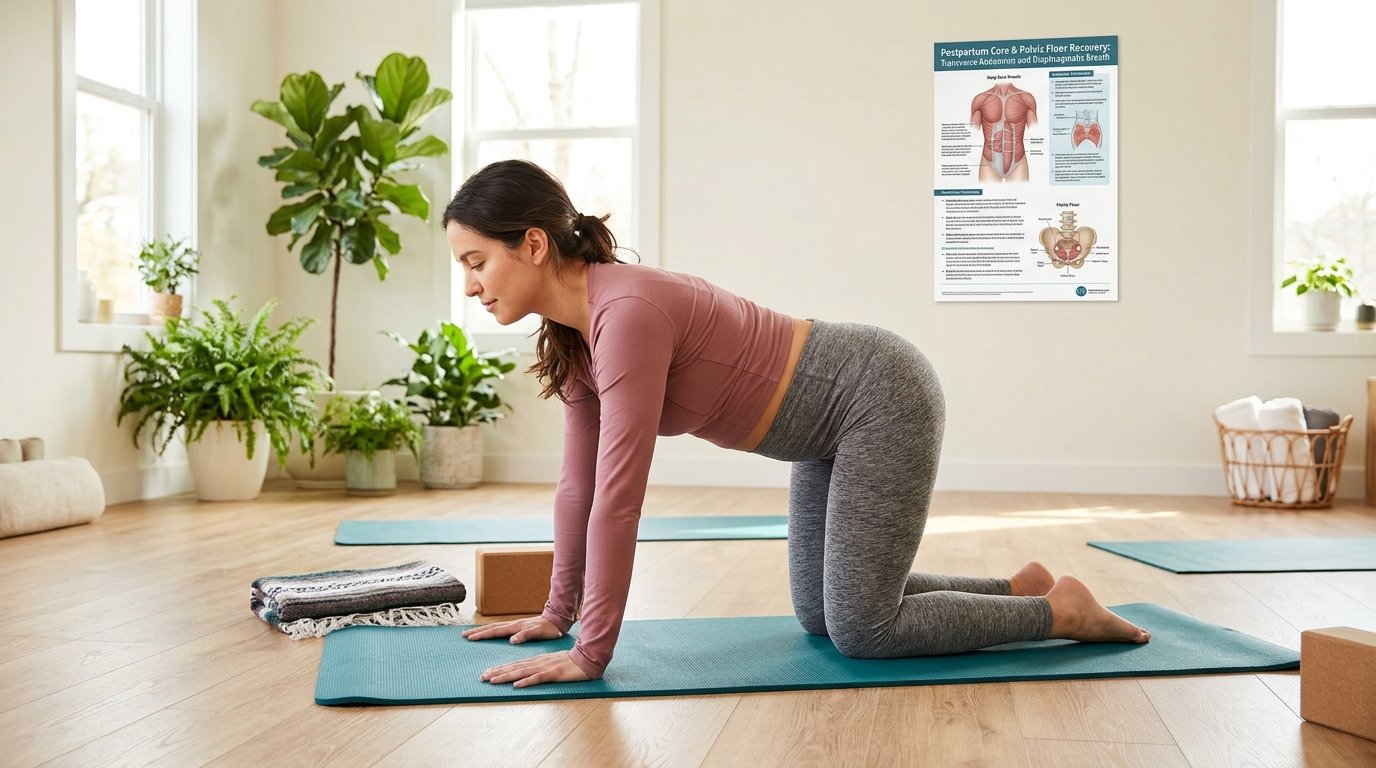
Postpartum yoga must focus on recovery rather than core strength in the early weeks. Always secure clearance from your healthcare provider at your 6-week check-up before starting any dynamic physical asanas.
Phase 1: Weeks 1 – 6
Somatic Breathing & Kegels
Movement Details:
Focus entirely on slow diaphragmatic breathing. Lie on your back with knees bent. Inhale deeply, allowing your belly to expand. As you exhale, gently pull your belly button toward your spine and perform a light pelvic floor contraction (Kegel). Hold for 3 seconds, then release.
Recovery Benefit:
Gently reactivates the transverse abdominis and pelvic floor muscles without putting pressure on healing scars.
Marjaryasana-Bitilasana
Cat-Cow Flow (Week 6+)
Movement Details:
Come onto your hands and knees. As you inhale, drop your belly and lift your gaze (Cow). As you exhale, round your spine toward the ceiling, tucking your chin and tailbone (Cat). Flow smoothly between these two shapes for 10-15 cycles.
Recovery Benefit:
Restores mobility to the spine, stretches the lower back (sore from carrying and nursing), and gently tones the core abdominal muscles.
Balasana
Extended Child's Pose (Week 6+)
Movement Details:
Kneel on the floor, touch your big toes together, and sit on your heels. Separate your knees about hip-width apart. Fold forward, extending your arms in front of you, and rest your forehead on the floor. Take slow, deep breaths, sending the breath into your lower back.
Recovery Benefit:
Relieves pressure in the pelvic floor, stretches the spine, and activates the parasympathetic nervous system to soothe postpartum exhaustion.
Frequently Asked Questions (FAQs)
Find clear answers to common questions about this topic.
Speak Honestly, Feel Supported
Connect anonymously with real human consultants for judgment-free emotional support. Speak Anything protects your privacy completely.