Comprehensive Wellness Guide • 11 Min Read

Understanding Panic Attacks and Anxiety Effects: Physiology, Affected Organs, and Diet Guide

An in-depth look at panic and anxiety: how they trigger different organ systems, key warning signs of escalating stress, nutritional strategies, and critical differences from cardiovascular emergencies.

Published July 18, 2026Medically Reviewed ConceptSpeak Anything Wellness Team

1. What is a Panic Attack & Anxiety?

Though terms like "panic attack" and "anxiety" are often used interchangeably, they are distinct clinical phenomena that represent different patterns of nervous system arousal.

Panic Attack

An abrupt surge of intense fear or extreme discomfort that reaches a peak within 10 minutes. It triggers an intense "fight-or-flight" survival reflex, even in the complete absence of a real threat. It feels highly physical, overwhelming, and unpredictable.

Anxiety Effects

A gradual buildup of worry, apprehension, muscle tension, and cognitive hypervigilance. Anxiety is typically triggered by a perceived stressor (financial pressure, relationship tension, health concerns) and can linger continuously as a chronic state.

Understanding these physiological differences is essential for recognizing the signals your body sends and responding to them with the correct coping mechanisms.
2. Key Differences: Panic Attack vs. Anxiety

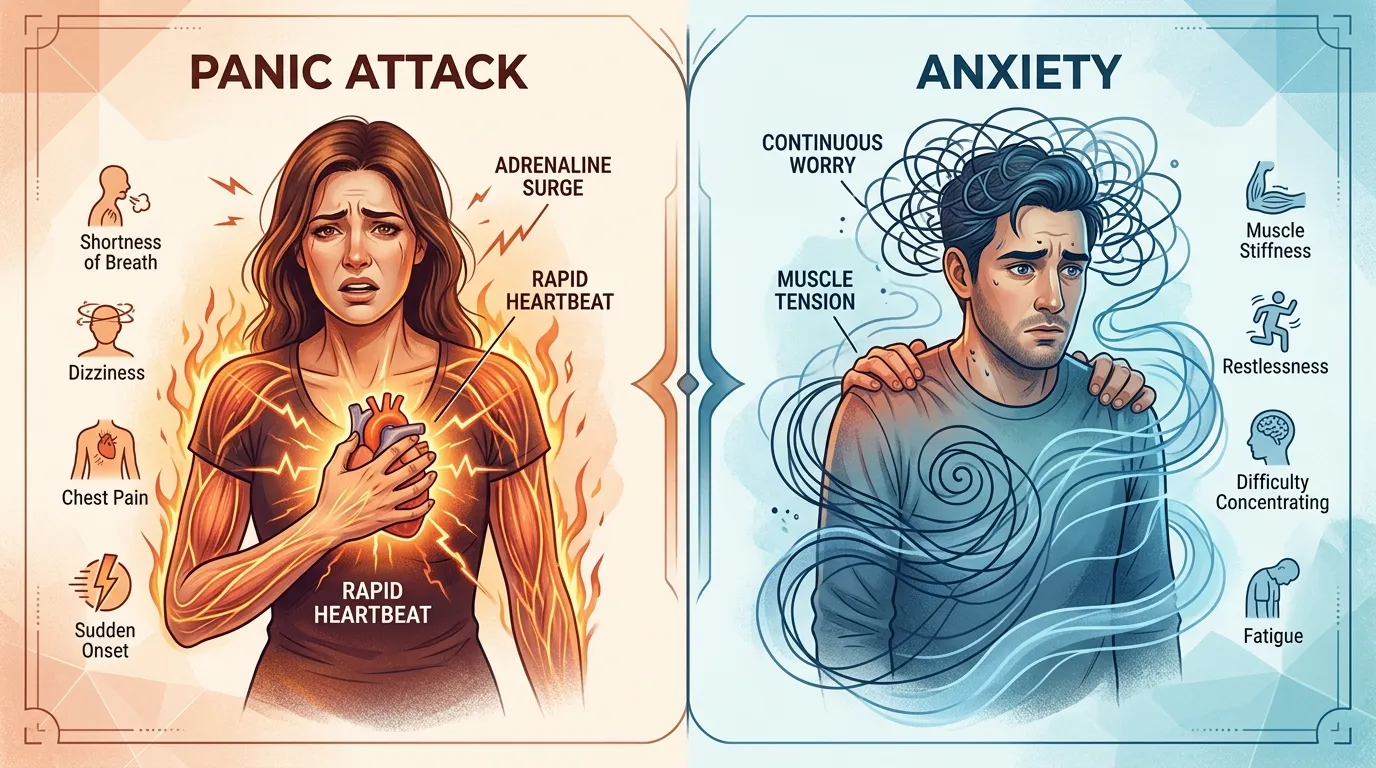
The primary differentiator lies in the onset, intensity, and duration. A panic attack hits like a sudden tidal wave, whereas anxiety functions like a slow, rising tide.

FeaturePanic AttackAnxiety
OnsetSudden, abrupt, peaks in minutesGradual, building up over hours or days
TriggerCan occur "out of the blue" without triggerUsually linked to a specific stressor or worry
IntensityExtreme, paralyzing, terrifyingMild to moderate, but highly persistent
DurationSubsides in 20-30 minutesCan last for days, weeks, or months (chronic)
Physical SymptomsHeart palpitations, choking sensation, shakingPersistent muscle tension, fatigue, sleep issues
Cognitive StateFear of dying, losing control, going crazyIrritability, constant worry, focus problems

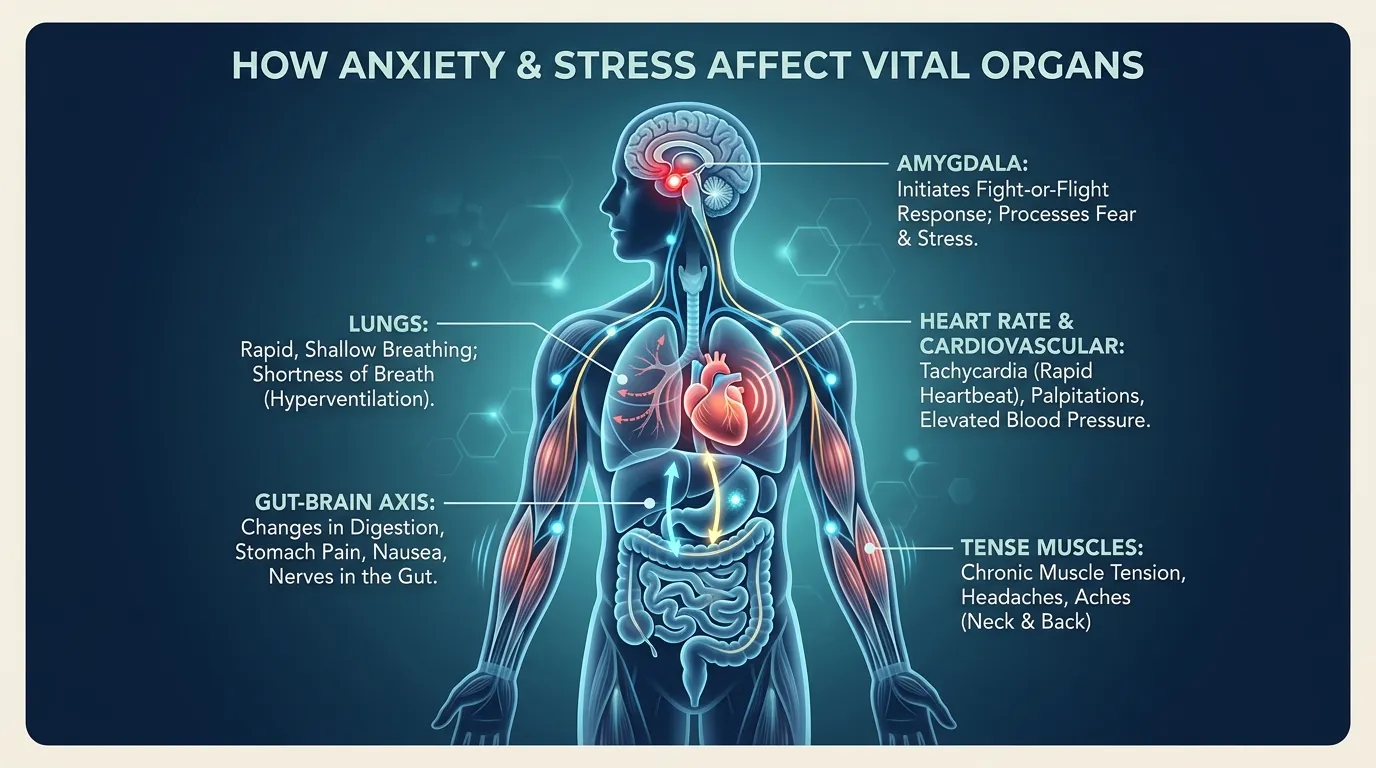
3. Organs Affected by Panic and Anxiety Attacks

When your body perceives danger, the autonomic nervous system is activated, flooding your system with adrenaline and cortisol. This triggers functional alterations in several vital organs:

🧠

Brain & Central Nervous System

The amygdala (emotional processor) registers threat and activates the hypothalamus. Under chronic anxiety, constant cortisol levels can lead to structural changes in the hippocampus, resulting in memory retrieval issues, brain fog, and difficulties in rational decision-making.

🫁

Lungs & Respiratory System

Breathing speeds up to intake more oxygen (hyperventilation). During panic attacks, this shallow, rapid breathing leads to a drop in blood carbon dioxide levels, causing lightheadedness, numbness, and tingling in the extremities, which ironically worsens panic.

🫀

Heart & Cardiovascular System

Adrenaline causes the heart to beat faster and harder. Blood vessels constrict, directing blood flow toward major muscle groups. This sudden change causes chest pain and spikes blood pressure. Over many years, chronic cardiovascular strain raises the risk of clinical hypertension.

🍣

Stomach & Gut (Digestive System)

The gut-brain axis is highly sensitive to stress. Blood is diverted away from digestion, relaxing digestive enzymes. This results in acute nausea, abdominal pain, bloating, diarrhea, or constipation, and frequently exacerbates symptoms of Irritable Bowel Syndrome (IBS).

💪

Musculoskeletal System

Muscles automatically tense up to guard against injury or impact. Persistent anxiety keeps muscles in a semi-contracted state, causing chronic neck and shoulder tension, tension headaches, and generalized physical fatigue.

🛡️

Immune & Endocrine Systems

While acute stress briefly boosts immunity to help with recovery, chronic anxiety and prolonged high cortisol act as immunosuppressants. This makes you more vulnerable to standard viral infections, slows wound healing, and increases systemic inflammation.

4. What Happens If the Intensity and Frequency of Attacks Increase?

Leaving panic attacks and severe chronic anxiety untreated can lead to a cycle of escalating symptoms. When the nervous system remains in a heightened state of alert, it undergoes physiological and behavioral shifts:

  • Development of Panic Disorder: The constant fear of having another panic attack can lead to "fear of fear." You begin monitoring your heart rate constantly, which paradoxically triggers more panic.
  • Agoraphobia and Avoidance Behavior: Individuals begin avoiding places where panic attacks occurred (e.g., crowded spaces, elevators, driving). This can limit personal independence and cause social isolation.
  • Nervous System Sensitization: The amygdala becomes hypersensitive. Small, everyday stressors that previously didn't bother you start triggering full-blown panic attacks.
  • Cardiovascular Health Risks: Chronic high heart rate and elevated blood pressure damage the delicate inner lining of blood vessels, increasing long-term susceptibility to coronary artery disease.
  • Severe Sleep Disturbances: Increased cortisol levels disrupt melatonin production, causing insomnia, night terrors, and early morning waking, leaving the body physically exhausted.
  • Co-occurring Clinical Depression: Struggling with unpredictable panic and constant worry is mentally exhausting, often leading to feelings of helplessness and clinical depression.

5. Nutritional Adaptations: Diet to Reduce Attack Frequency

Your diet plays a direct role in regulating neurotransmitters, stabilizing blood sugar, and keeping inflammation low. Modifying what you eat and drink can help settle an overactive nervous system:

Foods to Add

  • Complex Carbohydrates: Oats, brown rice, and quinoa digest slowly, preventing blood sugar crashes and promoting the release of serotonin.
  • Omega-3 Fatty Acids: Salmon, walnuts, and chia seeds reduce brain inflammation and calm hyper-reactivity.
  • Magnesium-Rich Foods: Spinach, pumpkin seeds, and almonds support muscle relaxation and regulate the hypothalamic-pituitary-adrenal (HPA) axis.
  • Probiotics and Fermented Foods: Yogurt, kefir, and kimchi support gut health. The gut produces about 95% of the body's serotonin.

Triggers to Eliminate

  • Caffeine: Found in coffee, energy drinks, and black teas. Caffeine raises heart rate and blood pressure, mimicking a panic state.
  • Refined Sugars: Sweets and sodas cause rapid blood sugar spikes and crashes, triggering adrenaline release.
  • Alcohol: Disrupts GABA levels and sleep patterns. Rebound anxiety is common the day after drinking.
  • Sodium: Promotes fluid retention and increases cardiovascular work, compounding physical strain.

⚠️ Hydration Rule

Mild dehydration is a common trigger for minor heart palpitations (arrhythmia). If you are anxious, a sudden racing heart can be misinterpreted as a panic attack, sparking a cycle of panic. Drinking water regularly helps stabilize heart rhythm.

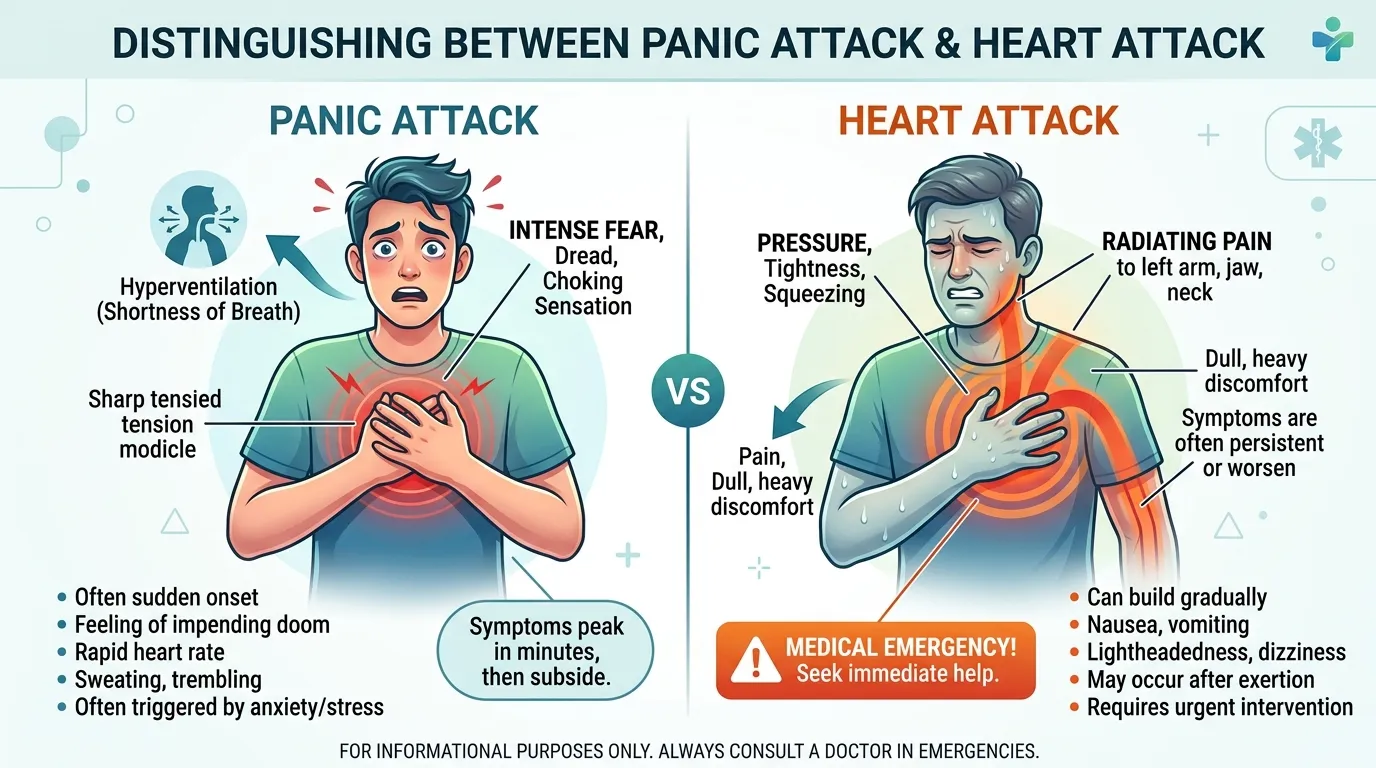
6. Critical Differentiators: Panic Attack vs. Heart Attack

Because chest pain and racing heart are common to both, many people experiencing a panic attack fear they are dying of a heart attack. Knowing these differences can save your life or ease your mind:

IndicatorPanic AttackHeart Attack (Emergency)
Type of Chest PainSharp, stabbing, or localized painCrushing pressure, squeezing, or fullness
Pain RadiationRemains localized in the chest areaRadiates to left arm, jaw, neck, or back
Exertion EffectNot affected by physical movementTriggered or worsened by physical activity
DurationPeaks in 10 mins, subsides in 20-30 minsPersistent and worsens over time
Accompanying SignsHyperventilation, shaking, tingling in limbsCold sweat, nausea, vomiting, shortness of breath

🚨 Crucial Medical Disclaimer

If you have risk factors (like a family history of heart disease, older age, or smoking) and are experiencing chest pain that fits the profile of a heart attack, seek immediate emergency medical care. Never guess or wait it out under the assumption that it is "just anxiety."

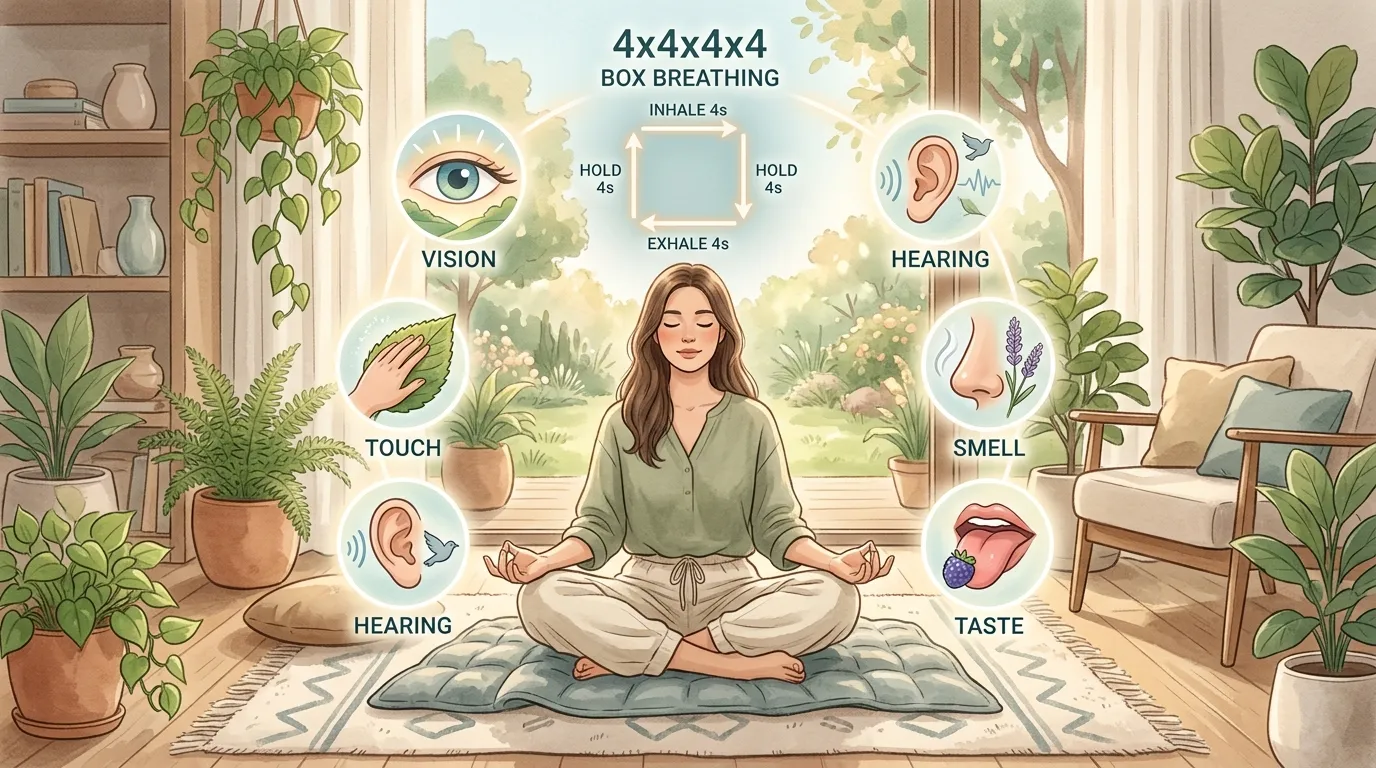
7. Grounding and Coping Strategies

When your nervous system goes into fight-or-flight, cognitive reasoning is temporarily bypassed. You must use physical, sensory-based techniques to signal safety to your brain:

Box Breathing Protocol

This breathing technique balances carbon dioxide levels in your blood, lowering your heart rate:

  1. Inhale slowly through your nose for 4 seconds.
  2. Hold your breath gently for 4 seconds.
  3. Exhale smoothly through your mouth for 4 seconds.
  4. Hold your lungs empty for 4 seconds.
  5. Repeat this cycle 4 to 5 times.

The 5-4-3-2-1 Grounding Method

Force your mind to focus on your physical surroundings rather than internal panic:

  • 👁️ 5 things you can see around you.
  • 🖐️ 4 things you can physically touch.
  • 👂 3 things you can hear.
  • 👃 2 things you can smell.
  • 👅 1 thing you can taste.

8. Frequently Asked Questions

Conclusion

Panic attacks and physical anxiety are alarming experiences, but understanding how they impact your body's systems gives you power. Equipped with breathing techniques, grounding habits, a supportive diet, and an understanding of the symptoms, you can reclaim control over your nervous system.

Feeling Overwhelmed by Panic or Anxiety?

Sometimes, reading and breathing aren't enough—you need to express your feelings to a real person. Speak Anything connects you 100% anonymously with caring human listeners via text or voice call 24/7. No judgment, no clinical environment, and no AI chatbots—just real, supportive human connection when you need it most.