The Conception Guide: Lifestyle, Reproductive Age Limits, Ovary Diet, and Yoga Poses
Preparing for pregnancy? Discover how your daily lifestyle, sleep, and stress affect egg quality. Explore biological age limits, ovary-boosting foods like CoQ10, and targeted pelvic yoga asanas to improve conception odds.
Nurturing the Fertile Soil: A Holistic Approach
Conception is one of the most complex biological dances in nature. While we often focus solely on the final moment of fertilization, the journey begins months prior. The health of your ovaries, the quality of your egg cells, and the receptivity of your uterine lining are all deeply influenced by the environment you create in your body daily.
By understanding how lifestyle factors affect pregnancy, acknowledging the biological realities of age, feeding your ovaries the right nutrients, and using yoga to soothe your nervous system, you can actively improve your fertility and prepare your body for a healthy pregnancy.
"Egg cells take roughly 90 days to mature before ovulation. This 3-month window is your gold opportunity to feed and protect your eggs through diet, lifestyle, and stress reduction."

In This Clinical Fertility Guide
1. Daily Lifestyle Factors That Affect Pregnancy
Your daily habits act as direct signals to your endocrine system. When your body feels safe, nourished, and rested, it prioritizes reproduction. When it feels threatened or exhausted, it downregulates fertility:
The Silent Saboteurs
- Chronic Stress (Cortisol & Adrenaline): High stress triggers the release of cortisol, which suppresses the gonadotropin-releasing hormone (GnRH). This disruption can halt ovulation entirely or create a short luteal phase, preventing a fertilized egg from implanting.
- Sleep Deprivation (Low Melatonin): Melatonin is not just a sleep hormone; it is a powerful antioxidant concentrated in the follicular fluid. It protects egg cells from cellular damage. Sleep loss reduces melatonin, lowering egg quality.
- Substance Intakes: Smoking accelerates follicular depletion, pushing menopause forward by 1-4 years. Alcohol disrupts estrogen and progesterone balances, while excessive caffeine (over 200mg daily) can restrict uterine blood flow.
Supportive Adaptations
- Circadian Sleeping Habits: Aim for 8 hours of restorative sleep in a dark room. Keep a consistent bedtime to align your reproductive hormone surges.
- Active Stress Boundaries: Set aside 15 minutes daily for mental decompression, somatic breathing, or emotional sharing. Bypassing acute stress prevents cortisol-induced ovulation delays.
- Maintaining a Balanced Weight: Both low body fat (disrupting leptin and stopping ovulation) and excess abdominal fat (causing insulin spikes and high androgens) affect ovulation. Aim for a balanced, functional body composition.
2. Age Limits for Pregnancy: Minimum and Maximum
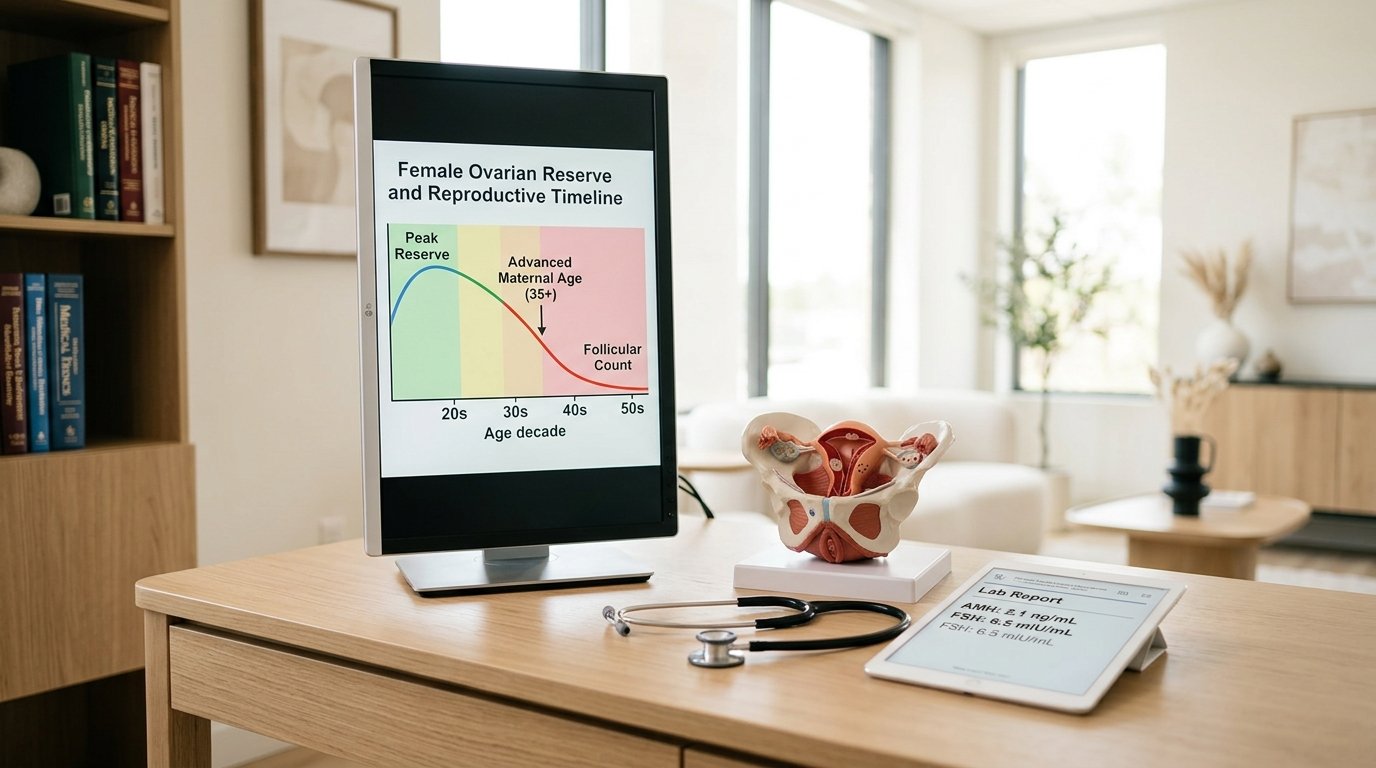
Age is the single most critical factor affecting a woman's natural fertility, as women are born with a finite, non-renewing pool of egg cells (ovarian reserve):
| Age Stage | Biological Reality | Obstetric & Clinical Implications |
|---|---|---|
| Teens / Early 20s (Minimum) | High egg count and quality. Biological peak of fertility. | Pregnancy under age 18 carries high risks of preeclampsia and obstructed labor because the maternal pelvis and blood volume systems are still growing. |
| Age 30 – 32 (Gradual Shift) | Natural egg reserve starts a gradual, steady decline. | Healthy pregnancy is highly common and natural, with low baseline chromosomal risks. |
| Age 35 – 40 (Advanced Age) | Accelerated drop in egg quality and quantity. Ovarian reserve depletes faster. | Classified as Advanced Maternal Age (AMA). Higher rates of miscarriage, gestational diabetes, hypertension, and Down syndrome (1 in 350 at age 35). |
| Age 41 – 45+ (Natural Limit) | Natural fertility approaches less than 1-5% per cycle. Menopause begins (average age 51). | Conceiving naturally is rare. Most pregnancies at this stage require Assisted Reproductive Technology (ART) or IVF with younger donor eggs. |
| Age 46 – 50+ (IVF Limit) | Natural egg reserve is depleted. Uterus remains capable of carrying pregnancy. | Requires donor eggs and IVF. Many global clinics and regional laws (such as legal caps in India at age 50) restrict IVF treatment due to maternal cardiovascular safety. |
3. Ovary Health Diet: Improving Egg Quality
While you cannot grow new eggs, you can improve the quality of your existing eggs. A fertility-focused diet reduces oxidative stress, protects the egg's genetic blueprint, and supports healthy ovulation:
🔋Coenzyme Q10 (CoQ10 / Ubiquinol)
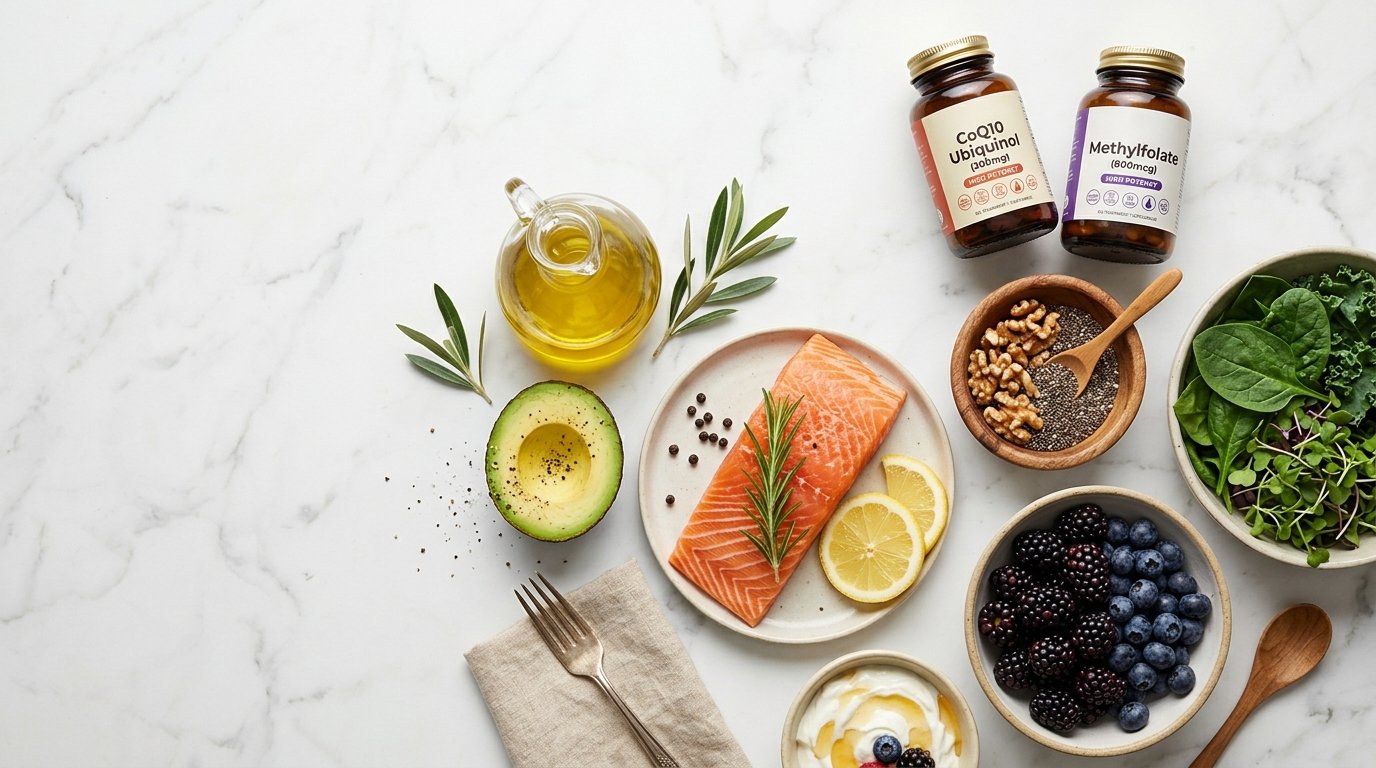
Egg cells contain the highest concentration of mitochondria (cellular powerhouses) of any cell in the human body. To divide and develop correctly, an egg requires massive energy. CoQ10 acts as the direct spark plug for these mitochondria. Research shows that taking 200-600mg daily of the active form, Ubiquinol, protects eggs from cellular aging and improves egg quality, especially in women over 35.
🥑Mediterranean Healthy Fats
Hormones are made from cholesterol and fats. Consuming monounsaturated fats (extra virgin olive oil, avocados, almonds) and Omega-3 fatty acids (salmon, walnuts, chia seeds) lowers pelvic inflammation and supports reproductive blood flow. Avoid trans fats and refined seed oils, which promote inflammation.
🥛Full-Fat Dairy over Low-Fat
The landmark Harvard Nurses' Health Study revealed that women who consumed 1-2 daily servings of full-fat dairy (whole milk, full-fat Greek yogurt, cottage cheese) had a significantly lower risk of ovulatory infertility. Low-fat dairy products can alter the balance of male and female hormones, negatively impacting ovulation.
🥦Antioxidant & Methylated Folate Coverage
Leafy greens (spinach, kale), broccoli, beets, and berries are rich in antioxidants, zinc, selenium, and Folate. Opt for methylated folate (L-methylfolate) instead of synthetic folic acid to bypass genetic processing issues, ensuring your body can immediately use it to protect early embryo development.
4. Targeted Yoga Asanas to Help Conceive
Yoga assists conception by shifting the body from fight-or-flight (sympathetic dominance) into the rest-and-digest (parasympathetic dominance) state, allowing hormones to stabilize. The following asanas specifically focus on opening the pelvic floor and bringing oxygenated blood flow directly to the ovaries and uterus:
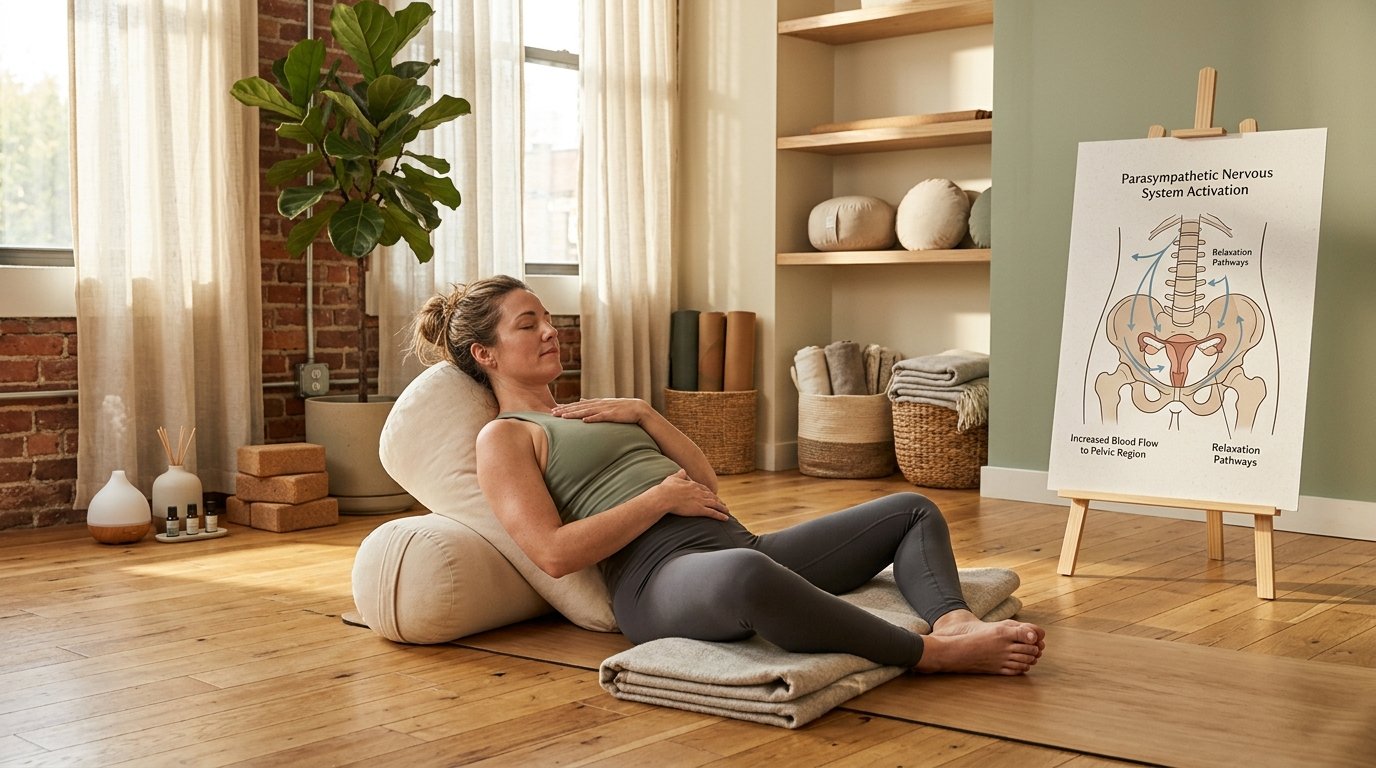
Supta Baddha Konasana
Reclining Bound Angle Pose
How to perform:
Lie flat on your back (place a pillow along your spine for support if needed). Bend your knees, bring the soles of your feet together, and let your knees open wide to the sides. Place one hand on your heart and one on your abdomen. Close your eyes and breathe deeply for 5-10 minutes.
Fertility Benefit:
Directly opens the pelvic region, stretches the inner thighs, and relieves emotional tension held in the lower abdomen.
Janu Sirsasana
Head-to-Knee Forward Bend
How to perform:
Sit with your legs extended. Bend your right knee, placing the sole of your right foot against your inner left thigh. Inhale, raise your arms, and lengthen your spine. Exhale as you fold forward over your left leg, reaching for your foot or shin. Hold for 10 deep breaths, then switch sides.
Fertility Benefit:
Massages the abdominal and pelvic organs, stretches the hamstrings, and calms the brain to lower stress-related hormone blockages.
Viparita Karani
Legs-Up-The-Wall Pose
How to perform:
Sit close to a wall, lie on your back, and extend your legs straight up the wall. Rest your arms comfortably at your sides with palms facing up. Keep your pelvis close to the wall. Close your eyes and focus on slow, deep belly breathing for 10-15 minutes.
Fertility Benefit:
Drains lymphatic fluid, lowers stress hormones, and encourages venous blood flow back to the uterus and pelvic glands. Excellent to perform immediately after intercourse.
Frequently Asked Questions (FAQs)
Find clear answers to common questions about this topic.
Speak Honestly, Feel Supported
Connect anonymously with real human consultants for judgment-free emotional support. Speak Anything protects your privacy completely.