Understanding Blocked Fallopian Tubes: Causes, Treatments, Myths, and Recovery
Struggling to conceive due to tubal factor infertility? Explore why fallopian tube issues happen in young women, how they are diagnosed, medical treatments, natural support, and the truth about birth control pills.
The Silent Pathway of Conception
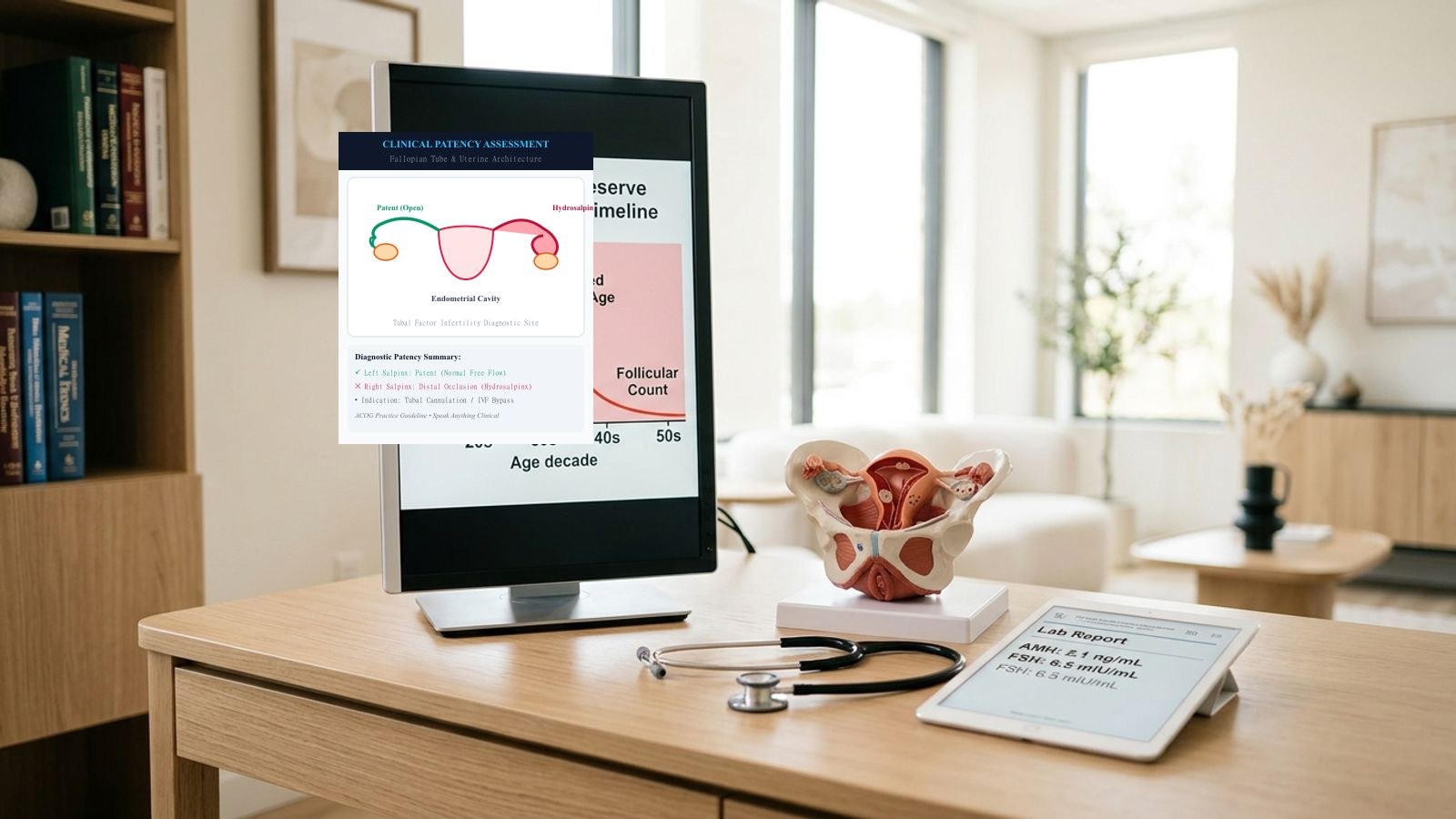
The fallopian tubes play a vital, active role in natural human reproduction. They are the twin pathways connecting the ovaries to the uterus. When an ovary releases an egg during ovulation, the finger-like fimbriae sweep it into the tube. It is here, inside the fallopian tube, that fertilization—the union of egg and sperm—actually takes place.
When one or both tubes are blocked or damaged, sperm cannot reach the egg, or a fertilized embryo cannot travel back to the uterus, causing what is medically known as tubal factor infertility. This condition accounts for up to 30% of female fertility challenges.
"Because fallopian tubes are extremely delicate, even minor inflammation or micro-scarring can block them, often going completely unnoticed until a woman attempts to conceive."
In This Clinical Guide
1. Why Do Fallopian Tube Blockages Happen?
A blocked fallopian tube is almost always the result of physical trauma, scarring, or chronic inflammation. The biological process of blockage involves:
- Ascending Infections (Salpingitis): Bacteria traveling from the vagina up through the cervix into the fallopian tubes cause severe inflammation. As the body fights the infection, it deposits fibrotic scar tissue inside the delicate inner lining of the tubes, sealing them shut.
- Pelvic Adhesions: Adhesions are bands of scar tissue that form between pelvic organs. They can twist, pull, or bind the outside of the fallopian tubes, distorting their anatomy and preventing the fimbriae from picking up eggs.
- Hydrosalpinx: A specific type of blockage where the end of the fallopian tube is sealed, causing the tube to fill with watery fluid. This fluid is toxic to embryos and can leak back into the uterus, hindering implantation.
2. Why Does This Occur at a Young Age?
It can be alarming for young women in their 20s or early 30s to learn they have tubal blockages. In young patients, the most common drivers are:
Pelvic Inflammatory Disease (PID)
PID is the primary cause of tubal infertility in youth. It is an infection of the reproductive organs caused by untreated sexually transmitted infections (STIs), most commonly Chlamydia and Gonorrhea. Because these infections are often asymptomatic, they can silently damage the tubes for months or years before being detected.
Endometriosis
In endometriosis, tissue similar to the uterine lining grows outside the uterus. During each menstrual cycle, this tissue bleeds, triggering severe localized inflammation, internal bleeding, and the formation of thick pelvic adhesions that can envelop and block the tubes.
Past Abdominal or Pelvic Surgeries
Surgeries for ruptured appendicitis, peritonitis, ovarian cysts, or a past ectopic pregnancy can leave behind pelvic adhesions. Even clean, successful surgeries carry a risk of forming post-operative scar tissue.
3. Are Contraceptive Pills to Blame? (Fact Check)
A common myth circulating on social media suggests that taking oral contraceptive pills (birth control pills) causes blocked fallopian tubes or long-term infertility. This is scientifically false.
The Physiological Reality of the Pill
Birth control pills contain synthetic hormones (estrogen and progestin) that temporarily prevent pregnancy by suppressing ovulation (preventing egg release) and thickening cervical mucus. They do not cause scarring, physical blockages, or physical damage to the fallopian tubes.
The Protective Effect: Interestingly, clinical research shows that contraceptive pills can actually lower the risk of tubal blockage. By thickening the cervical mucus, they create a stronger natural barrier that prevents harmful bacteria from ascending from the vagina into the pelvic cavity, thereby reducing the incidence and severity of PID.
4. Will This Affect Your Monthly Menstrual Cycle?
One of the most confusing aspects of tubal blockage is that it does not affect your monthly menstrual cycle.
Your menstrual cycle is controlled by the hormonal communication between your brain (pituitary gland) and your ovaries.
- Normal Hormones: Blocked fallopian tubes do not alter hormone production. Your ovaries will still produce estrogen and progesterone normally.
- Normal Ovulation: Your ovaries will still mature and release an egg each month. If the tube is blocked, the egg simply dissolves harmlessly in the pelvic cavity.
- Normal Periods: Because the uterine lining continues to build up and shed under hormonal command, you will still experience regular, normal-looking periods.
This is why many women have no idea they have a blockage until they actively try to conceive for a year (or six months if over age 35) without success.
5. Diagnosis: What Tests Are Required?
Since there are no symptoms, diagnosing blocked tubes requires specialized imaging or minimally invasive surgical tests:
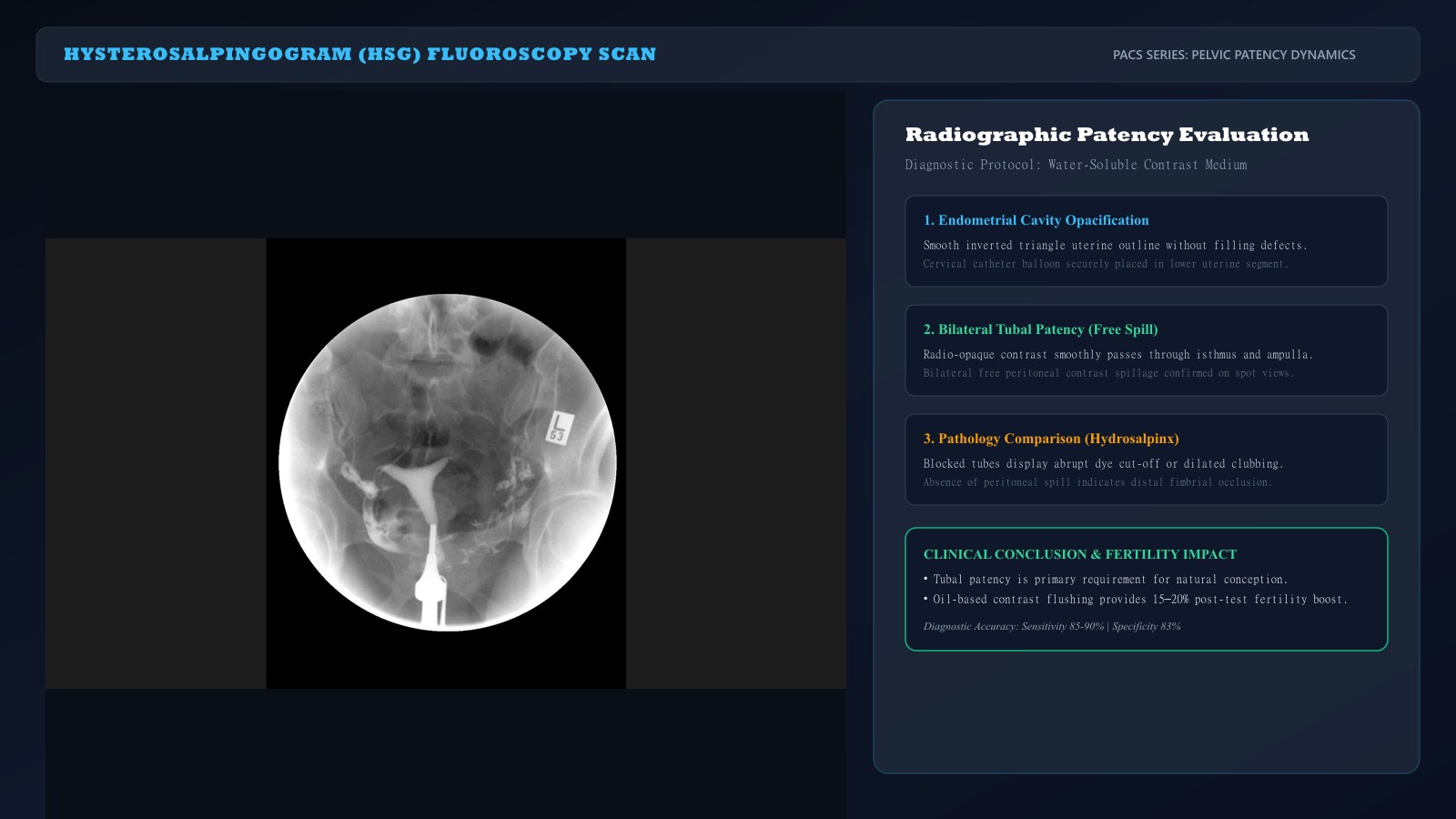
1. HSG (Hysterosalpingogram)
A specialized pelvic X-ray. A liquid contrast dye is gently introduced through the cervix. The radiologist monitors the dye's path; if it flows through the uterus and spills out of the ends of the tubes, they are open. If the dye stops, a blockage is located.
2. HyCoSy / Saline Sonography
Similar to HSG, but uses ultrasound. A mixture of saline and air bubbles (or a specialized contrast gel) is injected into the uterus, and the flow is tracked in real-time using transvaginal ultrasound, avoiding radiation exposure.
3. Laparoscopy with Chromotubation
The gold standard, performed under general anesthesia. A tiny camera is inserted through the navel. A blue dye is injected through the cervix. The surgeon directly observes the dye passing through the tubes and can simultaneously treat scar tissue.
6. Treatment: Options for Opening the Tubes
Depending on the location and severity of the blockage, modern reproductive medicine offers several pathways to restore fertility or achieve pregnancy:
Tubal Cannulation (Selective Salpingography)
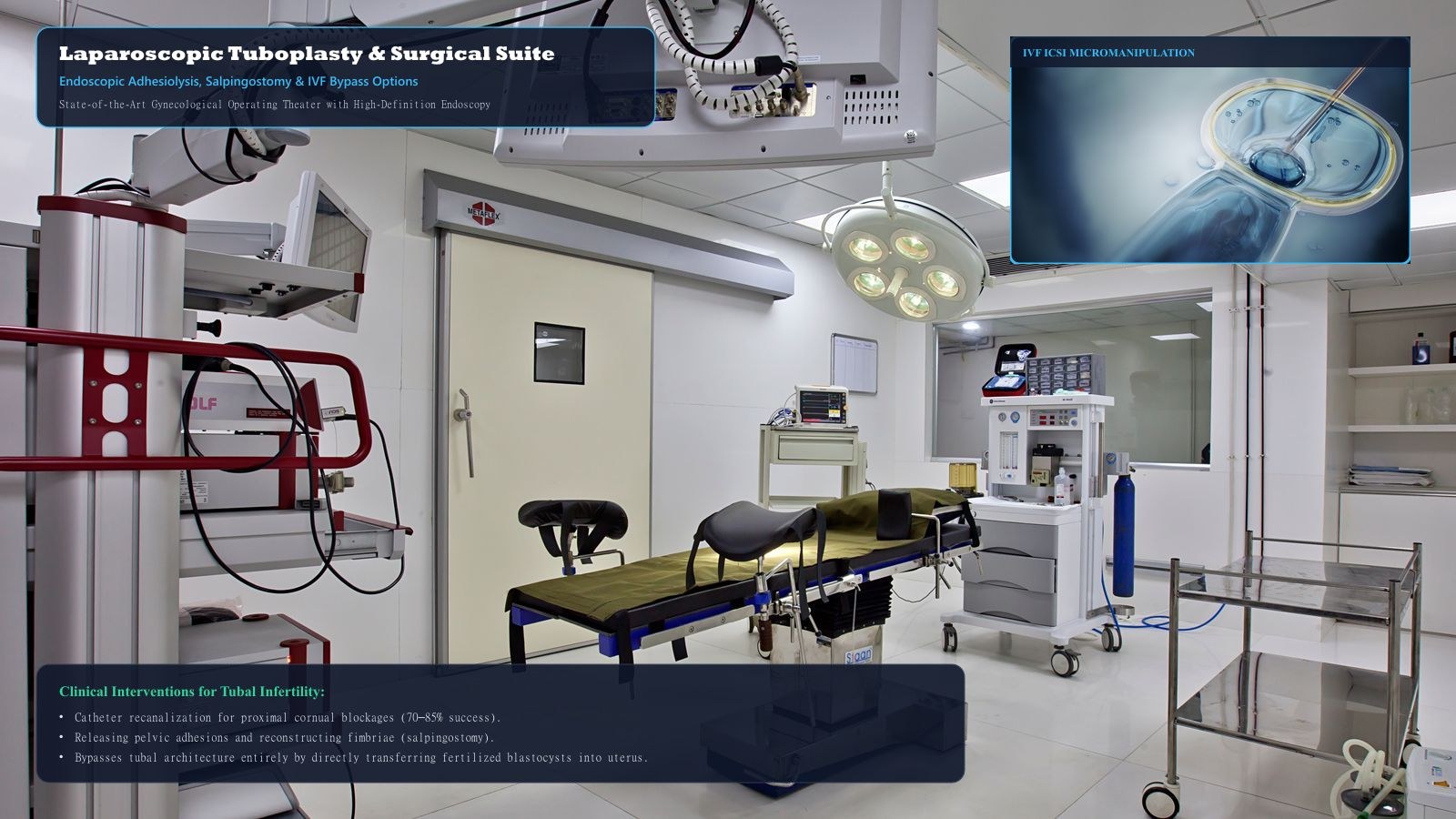
If the blockage is close to the uterus (proximal blockage), a doctor can insert a thin catheter through the cervix and uterus into the opening of the fallopian tube. Using X-ray guidance, a balloon or wire is gently inflated to clear mucus plugs or thin adhesions, restoring openness with 70–85% immediate recanalization rates.
Laparoscopic Micro-Surgery
For blockages at the outer end of the tube (distal blockage) or external adhesions, keyhole surgery can be performed:
- Salpingostomy: Creating a new opening in the outer end of the tube if the fimbriae are damaged.
- Adhesiolysis: Cutting and removing bands of pelvic scar tissue that are pulling or twisting the tubes out of place.
In Vitro Fertilization (IVF) — The Bypass Solution
If both tubes are severely damaged, scarred, or have been surgically removed, IVF is the most successful pathway to pregnancy. IVF completely bypasses the fallopian tubes: eggs are retrieved directly from the ovaries, fertilized with sperm in a laboratory, and the resulting embryo is placed directly into the uterus for implantation.
7. How to Support Pelvic Recovery Naturally
It is important to understand that natural therapies cannot physically dissolve heavy structural scar tissue or reconstruct damaged fallopian tube fimbriae. However, complementary therapies can support medical treatments by reducing local pelvic inflammation, improving circulation, and relaxing the pelvic floor muscles:

| Natural Method | Action Mechanism | Feminine Health Benefit |
|---|---|---|
| Anti-Inflammatory Nutrition | Rich in antioxidants, omega-3s, turmeric, ginger, and garlic. | Calms systemic inflammation, helping to prevent the progression of endometriosis and pelvic adhesions. |
| Castor Oil Packs & Abdominal Massage | Applying warm castor oil packs combined with gentle circular massage. | Boosts lymphatic drainage, relaxes pelvic spasms, and promotes healthy blood flow to the reproductive organs. |
| Somatic Pelvic Alignment | Pelvic floor stretches, gentle yoga, and deep diaphragmatic breathing. | De-congests the pelvic cavity, lowers cortisol levels, and reduces nervous tension in the lower abdomen. |
Frequently Asked Questions (FAQs)
Find clear answers to common questions about this topic.
Speak Honestly, Feel Supported
Connect anonymously with real human consultants for judgment-free emotional support. Speak Anything protects your privacy completely.