Ayurvedic vs. Allopathic Medicine for Sexual Health: Vigor, Stamina, and Premature Ejaculation
Struggling to navigate the complex choices between modern pharmaceutical interventions and traditional herbal remedies? Read our comprehensive comparison of active components, side effects, safe age thresholds, and exercises.
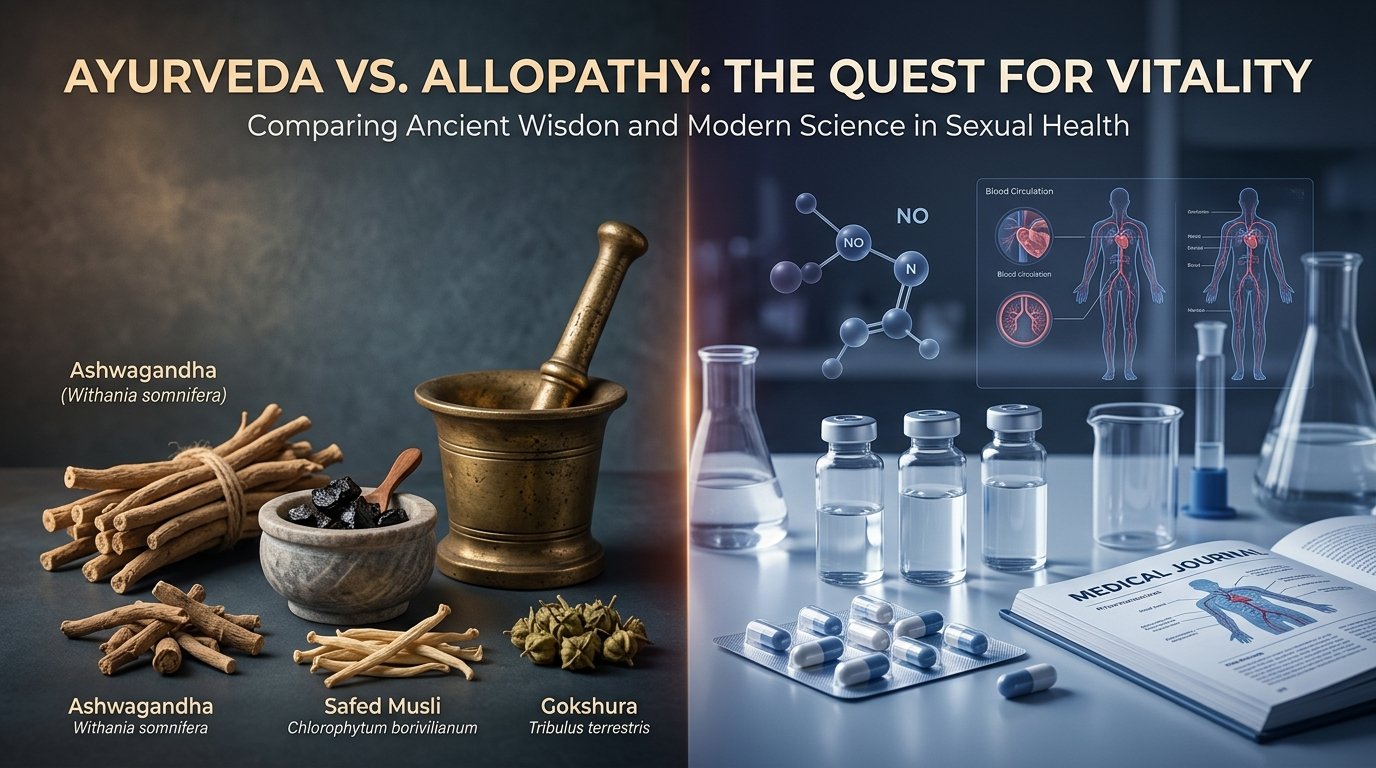
In the pursuit of enhanced sexual power, stamina, and ejaculatory control, individuals often find themselves standing at a crossroads. On one hand lies Allopathy (modern Western medicine), offering quick, targeted results that work on demand. On the other hand lies Ayurveda (ancient Indian medical science), focusing on systemic rebalancing, tissue nourishment, and the root causes of dysfunction.
Understanding the physiological actions, limitations, side effects, and risk profiles of both systems is crucial for making informed decisions. Below, we break down these modalities to help you achieve long-term vitality safely.
Guide Navigation & Medical Chapters
1. Allopathic Interventions: Quick Action on Demand
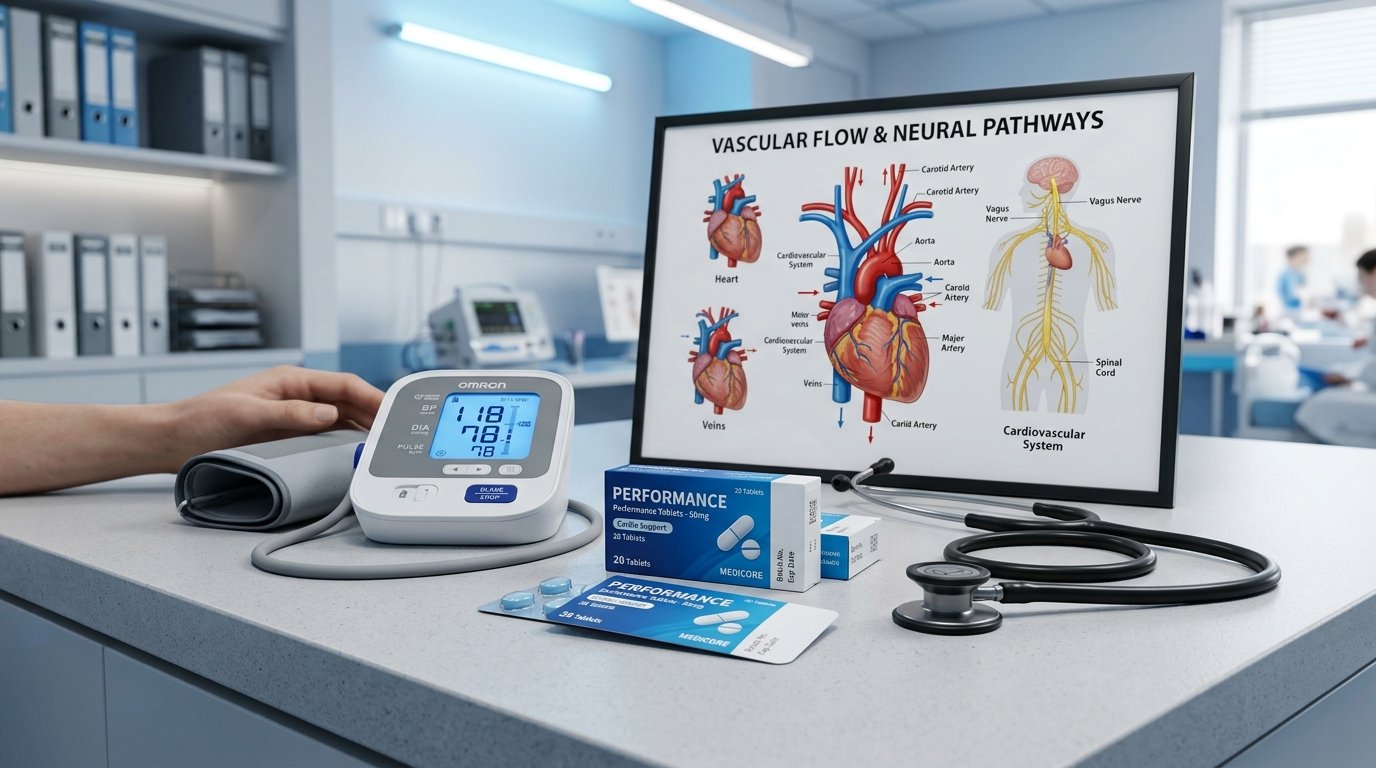
Allopathic treatments are designed to target specific physiological pathways. When a patient reports erectile dysfunction (ED) or premature ejaculation (PE), modern medicine prescribes fast-acting synthetic compounds to temporarily modify blood flow or nervous system signaling.
Primary Types of Allopathic Medicines Used:
A. PDE5 Inhibitors (For Erectile Function)
These medications block the phosphodiesterase type 5 (PDE5) enzyme, preventing it from breaking down cyclic GMP. This relaxes smooth muscles in the penile blood vessels, letting more blood rush in when sexually stimulated.
Common Names: Sildenafil (Viagra), Tadalafil (Cialis), Vardenafil (Levitra), Avanafil (Stendra).
B. Selective Serotonin Reuptake Inhibitors / SSRIs (For Premature Ejaculation)
SSRIs increase serotonin levels in the synaptic clefts of the central nervous system. Because serotonin slows down the ejaculatory pathway, these drugs delay the reflex threshold, allowing men to last longer.
Common Names: Dapoxetine (specifically approved for PE as Priligy), Paroxetine, Sertraline, Fluoxetine.
C. Topical Anesthetics (For Desensitization)
These are applied directly to the glans penis 10 to 15 minutes before intercourse. They temporarily block sensory nerve signals, delaying climax by dulling tactile sensitivity.
Common Names: Lidocaine spray, Prilocaine creams, benzocaine-based delay wipes.
2. The Cost of Speed: Side Effects of Allopathic Medicines
While Allopathic medicines offer immediate symptom control, they do not cure the underlying cause. Furthermore, their synthetically isolated active compounds often trigger unwanted side effects throughout the body:
| Medication Class | Common Side Effects | Severe Risks / Complications |
|---|---|---|
| PDE5 Inhibitors (ED) | Headaches, facial flushing, nasal congestion, indigestion, mild lower back pain. | Sudden hypotension (blood pressure drop) if taken with nitrates, visual disturbances (blue vision), priapism (painful erection lasting >4 hours). |
| SSRIs (PE) | Nausea, dizziness, dry mouth, excessive sweating, fatigue, insomnia. | Loss of libido, erectile dysfunction, suicidal ideation, serotonin syndrome (when combined with other serotonin drugs). |
| Topical Anesthetics | Mild burning sensation, excessive desensitization, temporary erection loss. | Transfer of numbness to the partner (reducing their pleasure), chemical irritation or allergic contact dermatitis. |
3. Ayurvedic Formulations: Natural Rejuvenators (Rasayana & Vajikarana)
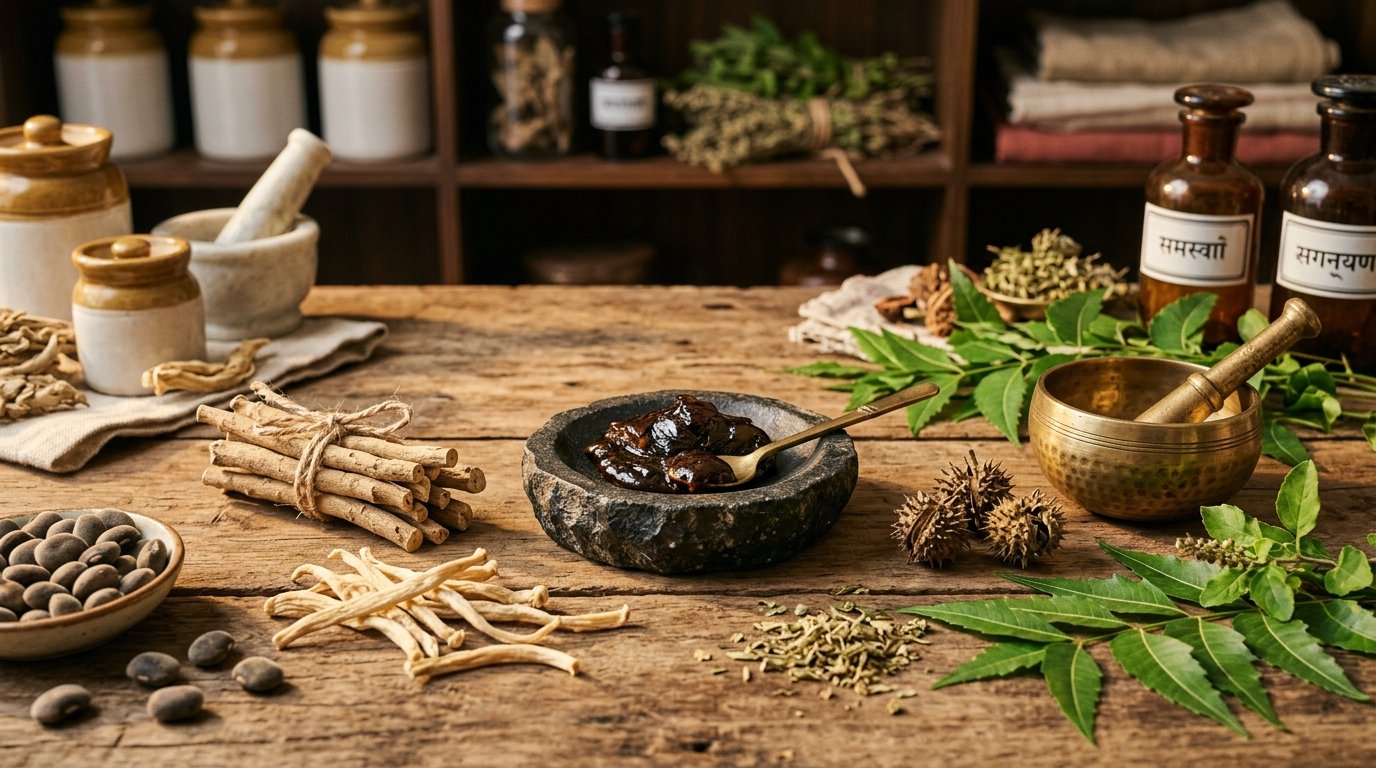
In Ayurveda, sexual vigor and reproductive tissue quality are managed under a specialized branch called Vajikarana Chikitsa (aphrodisiac therapy). Instead of forcefully altering blood vessel dilation on demand, Ayurveda aims to strengthen the reproductive tissue (Shukra Dhatu), balance the metabolic fire (Agni), and regulate the three primary energies (Vata, Pitta, and Kapha).
Core Ayurvedic Herbs and Minerals:
- Ashwagandha (Withania somnifera): A powerful adaptogen. It lowers cortisol levels (the stress hormone), which naturally allows testosterone levels to rise. It calms performance anxiety, strengthens the nervous system, and increases sperm quality.
- Shilajit (Asphaltum punjabianum): A mineral pitch rich in fulvic acid and over 84 trace minerals. It acts at the cellular level by boosting mitochondrial energy production, improving ATP levels, increasing free testosterone, and alleviating age-related exhaustion.
- Safed Musli (Chlorophytum borivilianum): Referred to as "White Musli", it acts as a natural nutritive tonic. It helps build tissue mass, improves sperm density, and boosts endurance.
- Kaunch Beej (Mucuna pruriens): The seeds of this velvet bean contain high concentrations of L-DOPA, the direct precursor to dopamine. Dopamine regulates the brain's pleasure centers, boosts libido, and plays a vital role in slowing down the ejaculation trigger.
- Gokshura (Tribulus terrestris): Improves urinary tract health and stimulates the release of nitric oxide from endothelial cells, which enhances natural blood circulation to the erectile chambers.
4. Systemic Vigor: Healing Effects and Risks of Ayurvedic Medicine
Because Ayurvedic treatments are complex herbal mixtures, they interact with the body gently, nourishing multiple organ systems simultaneously. However, "natural" does not automatically mean completely risk-free.
Healing Effects:
- Gradual and Sustained: The benefits build over weeks and persist long after stopping usage, as they rebuild bodily tissues.
- Anxiolytic Support: Herbs like Ashwagandha physically calm the adrenal glands, easing performance-related panic.
- Total System Wellness: Improves sleep quality, cardiovascular endurance, immune response, and overall cellular vitality.
Potential Side Effects and Safety Risks:
Improper self-medication, incorrect dosage, or sourcing low-quality formulations can lead to complications:
- Digestive Fire Overload (Agni Mandya): Heavy herbs like Safed Musli and Shatavari are difficult to digest. If a person has weak digestion, they can cause bloating, loose stools, or nausea.
- Body Heat / Pitta Aggravation: Warm herbs (like Shilajit, Kaunch Beej, or Garlic) can increase internal body heat. This may lead to acidity, mouth ulcers, nosebleeds, or skin rashes in individuals with dominant Pitta constitutions.
- Heavy Metal Contamination: Traditional preparations (specifically Rasa Shastra) involve purified metals (Bhasmas). If sourced from unverified manufacturers, these can contain toxic levels of lead, mercury, or arsenic, causing kidney and liver damage. Always buy certified, purified (Shodhana processed) products.
5. Why Ayurveda is Better Than Allopathy for Long-Term Vigor
For individuals seeking a sustainable path to sexual wellness, Ayurveda offers structural advantages over modern synthetic medicine:
Root-Cause Focus
Allopathy bypasses the cause to force an erection or delay ejaculation chemically. Ayurveda addresses the roots: adrenal fatigue, poor blood flow, stress, and tissue depletion.
Zero Psychological Dependency
Many men using Allopathy develop \"pill panic,\" where they cannot perform unless they take a pill. Ayurveda restores natural physiological capacity, allowing spontaneous performance.
Holistic Strengthening
Instead of straining the heart, Ayurvedic rasayanas improve coronary health, lower bad cholesterol, calm the nervous system, and raise energy levels across the entire body.
6. Critical Dangers of Overdose / High Dosages
Exceeding the therapeutic dose in either system is highly dangerous and can result in medical emergencies.
High-Dose Allopathy Risks:
- Priapism: An erection lasting longer than 4 hours. Penile tissues become oxygen-deprived, leading to irreversible scarring and permanent erectile failure.
- Severe Hypotension: A critical drop in blood pressure, leading to fainting, stroke, or heart attacks.
- Serotonin Syndrome: An SSRI overdose causes confusion, muscular rigidity, high fever, tremors, rapid heart rate, and seizures.
High-Dose Ayurveda Risks:
- Pitta Bleeding Disorders: High doses of Shilajit or Kaunch Beej can thin the blood and cause nosebleeds or burning sensations in the digestive tract.
- Organ Toxicity: Excessive intake of unpurified metallic Bhasmas leads to acute heavy metal accumulation in the kidneys and liver.
- Extreme Digestive Disruption: Overloading on heavy aphrodisiac powders causes severe diarrhea, stomach cramps, and loss of appetite.
7. Targeted Physical Exercises for Sexual Performance
Adding physical exercise to your wellness routine works synergistically with any treatment to strengthen the pelvic floor muscles, boost cardiac output, and release endorphins.
A. Pelvic Floor Training (Kegels)
The Pubococcygeus (PC) muscle supports the pelvic organs, controls urine flow, and plays a direct role in holding back ejaculation and maintaining erection hardness.
B. Restorative Yoga Asanas
Yoga promotes blood flow to the reproductive organs, stimulates the endocrine system, and calms the autonomic nervous system.
- Bhujangasana (Cobra Pose): Lie on your stomach, place your hands under your shoulders, and lift your upper body while keeping your pelvis on the floor. This stretches the chest, core, and lower back, enhancing pelvic blood circulation.
- Paschimottanasana (Seated Forward Bend): Sit with your legs straight out and bend forward from the hips to grab your shins or feet. This calms performance anxiety and stretches the hamstring and lower lumbar regions, stimulating pelvic nerves.
- Sethu Bandhasana (Bridge Pose): Lie on your back, bend your knees, and lift your hips toward the ceiling. This acts as a gentle inversion, strengthening the pelvic floor and lower back.
- Dhanurasana (Bow Pose): Lie on your stomach, reach back to grab your ankles, and pull to arch your back. This stretches the abdomen and pelvic region, stimulating the gonads.

C. Cardiovascular and Aerobic Exercise
At least 30 minutes of moderate aerobic exercise (brisk walking, jogging, cycling, or swimming) four times a week increases nitric oxide production in blood vessels, keeping your heart healthy and maintaining penile vascular function.
8. Age Limitations and Precautions
Safety profiles for both medicinal systems vary significantly depending on the user's age:
- Under 18 Years: Both Allopathic ED/PE medications and Ayurvedic aphrodisiacs (Vajikarana) are contraindicated. Adolescents undergo intense natural hormonal fluctuations, and introducing external stimulants can disrupt normal endocrine development. Focus on diet, sleep, and exercise.
- Young Adults (18 to 40 Years): In this bracket, sexual dysfunction is frequently driven by stress, relationship anxiety, screen addiction, or poor lifestyle habits. Ayurveda or pelvic exercises should be the first choice. Allopathy should only be used as a short-term aid under physician supervision.
- Older Adults (45+ Years): Erectile changes are often early signs of cardiovascular disease, diabetes, or neurological issues. Allopathic pills must be used with extreme caution: elderly patients taking nitrates for chest pain or blood pressure meds must avoid PDE5 inhibitors entirely. For older adults, Ayurveda focuses on Rasayana (rejuvenative) herbs to gently restore energy without stressing the heart.
Essential Safety Protocols:
- Consult Professionals: Never self-diagnose or self-prescribe, especially when combining natural supplements and modern pharmaceuticals.
- Evaluate Lifestyle First: High stress, sleep deprivation, alcohol intake, and poor nutrition are primary causes of sexual performance challenges.
- Speak Anonymously: Discussing performance anxiety with an objective listener first helps release psychological blocks.
Speak Anything: Share Your Concerns Without Judgment
Anxiety is a primary driver of sexual health issues. The fear of not lasting long enough or failing to satisfy a partner triggers the fight-or-fight response, ensuring performance challenges. Break the cycle of stress by sharing your experiences.
Speak Anything connects you anonymously with real, empathetic human consultants. You can share your performance worries, seek relationship advice, and discuss intimacy concerns without sharing your identity or feeling judged.
Frequently Asked Questions (FAQs)
Find answers to common questions about performance anxiety, Ayurvedic herbs, and Allopathic treatments.
Speak Honestly, Feel Supported
Connect anonymously with real human consultants for judgment-free emotional support. Speak Anything protects your privacy completely.
Suggested Reads
How to Lose Your Virginity: First-Time Sex Fears, Pain, Lubricant & Facts
Everything you need to know about first-time sex: overcoming fear, comparing porn to reality, pain and hymen facts, lubricant essentials, condom sensation, and pregnancy protection.
Common Signs of Sexually Transmitted Infections: Causes, Symptoms, Prevention & Complete Treatment Guide
Understand how STIs start, recognize common warning signs (discharge, ulcers, burning, pelvic pain), discover the hidden reality of asymptomatic transmission, and explore clinical cures, testing timelines, and preventative protection.
The Complete Hair Fall Guide: Growth Cycles, Root Causes, Proven Solutions & Scalp Care
Struggling with hair shedding or thinning? Understand the biological hair growth cycle, root triggers (DHT, stress, thyroid, ferritin deficiency), and clinically proven solutions from Minoxidil and Finasteride to PRP, nutrition, and daily scalp care.